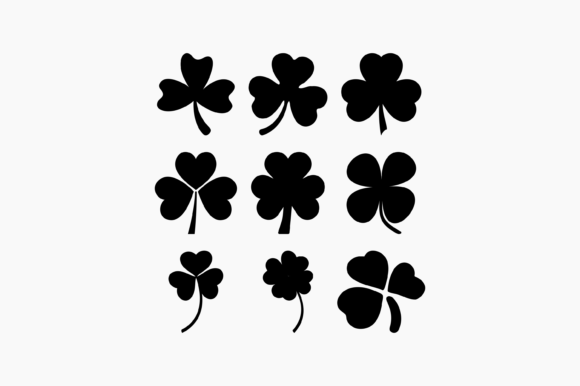
Shamrock
A Designer’s Take on the Shamrock Embroidery Design
As a designer who works with both custom and commercial embroidery projects, I’ve seen my fair share of digital designs. When evaluating a new design like Shamrock, it's not just about aesthetics—it's about practicality, adaptability, and how well it translates into real-world use. Let me walk you through my thought process as I consider Shamrock for a custom embroidered tote bag.
The First Impression: Mood and Visual Personality
At first glance, Shamrock exudes a classic, whimsical charm. The shape is clean, the lines are crisp, and the overall theme feels familiar yet fresh. It’s the kind of design that would fit seamlessly into a spring or St. Patrick’s Day collection. The layout is simple but intentional, which makes it versatile enough to work across multiple mediums.
The visual personality of Shamrock leans toward the traditional, with a subtle nod to modern minimalism. It doesn’t overwhelm the fabric, which is a big plus when working with limited hoop sizes or delicate materials. This balance between detail and simplicity makes it ideal for a wide range of projects, from personalized gifts to small business merchandise.
Real-Life Use Case: Custom Tote Bag Embroidery
I recently had a client request a custom tote bag with an Irish-themed design. Shamrock was one of the top choices. It’s perfect for this application because it maintains its clarity even when scaled down. The design is detailed enough to stand out but not so intricate that it becomes overwhelming on a large surface.
When testing Shamrock on scrap fabric, I noticed that the stitch density is consistent and the fill areas are well-defined. This means it will hold up well in a variety of fabrics, including cotton and canvas—common materials for tote bags. However, I would recommend using a stabilizer to prevent puckering, especially on thinner or stretchy fabrics.
The color palette is also a key consideration. While the design is neutral in tone, it can be easily adapted to different thread colors. For example, a bright green satin stitch would make Shamrock pop on a white tote, while a muted gold could give it a more sophisticated look for a boutique product.
Where to Use Carefully: Fabric and Project Considerations
Not every project is created equal, and Shamrock has its limitations. For instance, when working with dark fabrics or layered garments, the contrast might not be as strong. I’d suggest testing the design in black and white mockups before finalizing the color scheme.
Similarly, if you’re planning to use Shamrock on curved surfaces like caps or hats, you’ll need to ensure the design flows naturally around the curve. The corners and edges are well-defined, but they may require some adjustment for optimal placement on rounded surfaces.
For smaller hoop sizes, Shamrock still holds up reasonably well. However, if you plan to use it on very thin or textured fabrics, you might want to consider scaling the design slightly to avoid distortion.
Design Quality and Practical Value
Shamrock is a solid choice for designers looking for a reliable, high-quality embroidery file. The SVG, PNG, EPS, and DXF formats are all well-structured, making it easy to import into most embroidery software. The file size is manageable, and the layers are clear, which is a big plus for those who prefer to edit or adjust the design before stitching.
From a visual standpoint, Shamrock adds value to any handmade product. Whether it’s a personalized gift or a commercial item, the design brings a touch of personality and craftsmanship. It’s also a great option for Etsy sellers or small shop owners who want to offer unique, customizable products without the hassle of creating their own designs from scratch.
Practical Designer Notes for Success
Before using Shamrock in a real project, I always recommend testing it on scrap fabric first. This helps identify any potential issues with stitch density, thread color contrast, or fabric compatibility. Also, reviewing the design in black and white can reveal hidden details or areas that might need adjustment.
When working with Shamrock for commercial use, be sure to confirm the licensing terms. Since this is a digital item for instant download, it’s important to understand whether it can be used for both personal and commercial projects. Always double-check the terms before selling finished items or digital products.
Finally, don’t forget the importance of proper stabilizer and hoop size selection. These factors can make or break the final result, especially when working with delicate or stretchy fabrics. A well-prepared setup ensures that Shamrock looks as good on the finished product as it does on the screen.
Conclusion: A Versatile Choice for Crafters and Entrepreneurs
Shamrock is a thoughtful, adaptable design that offers a great balance between detail and simplicity. It’s a valuable asset for crafters, small business owners, and Etsy sellers who want to create high-quality, visually appealing products. With the right preparation and attention to detail, Shamrock can elevate your handmade projects and bring a sense of professionalism to your brand.