Price Tags
A Practical Eye on a Simple Design
As a designer who’s stitched everything from baby onesies to boutique tote bags, I approach every embroidery design with the same question: Will this work in real life? Price Tags is one such design that caught my attention for its simplicity and versatility. But before I recommend it for use in actual projects, I need to evaluate how it performs under the practical conditions of a handmade or commercial setting.
The First Impression
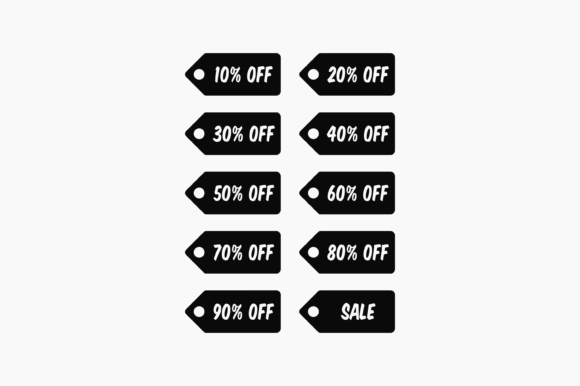
Price Tags immediately feels like a clean, modern design. Its shape is straightforward—rectangular with rounded corners—and the layout is minimal, which makes it easy to integrate into a variety of projects. The theme is functional, fitting well with retail, craft, and personalized gift scenarios. It doesn’t shout for attention, but it does carry a sense of professionalism that aligns with small business branding and Etsy listings.
What stands out is the balance between detail and simplicity. There are enough elements to make it visually engaging without overwhelming the viewer. The text is clear and legible, which is crucial for items like price tags, labels, or signage. This makes it ideal for products where clarity is key, such as custom apparel, fabric patches, or embroidered aprons.
Real-World Use Cases
When considering where Price Tags could shine, I think of everyday applications. A custom sweatshirt with a subtle price tag can add a touch of personality to a casual outfit. Similarly, an embroidered patch featuring a price tag could be used as a decorative element on a tote bag or cap. For those looking to create holiday gifts, a price tag embroidered on a mug or kitchen towel offers both function and charm.
It also fits well in more specialized areas. For example, a price tag embroidered on a baby item adds a practical touch, while one on a tea towel or pillow cover can serve as a decorative accent. In a boutique setting, using Price Tags on product tags or promotional items helps maintain brand consistency and gives a professional edge to the overall look.
Considerations for Embroidery Success
While Price Tags has a lot going for it, there are some factors to consider before jumping into a project. First, the design’s scale matters. If you’re working with small hoop sizes, the details might get lost or appear too tiny. That said, the design’s simplicity means it can still work well even when scaled down, especially if the focus is on the text rather than intricate embellishments.
Another thing to keep in mind is fabric type. On textured or dark fabrics, the contrast between the design and the background may not be as strong, which can affect visibility. Testing the design on scrap fabric first is always a good idea, especially when working with dark or stretchy materials. Using the right stabilizer can also make a big difference in how the design looks after stitching.
Additionally, the design’s density of stitches plays a role in its performance. While it’s not overly detailed, the stitch count needs to be checked for consistency. A higher stitch density can lead to better definition, but it also increases the time and effort required for stitching. For those aiming for a quick turnaround, this might be a consideration.
Design Impact on Projects
Price Tags can elevate the visual appeal of a project without being distracting. When used on a custom t-shirt or embroidered cap, it adds a subtle yet meaningful touch. The design’s neutral tone allows it to blend well with various color schemes, making it adaptable for both personal and commercial use.
From a customer perspective, a well-executed Price Tags design can enhance trust and perceived value. It signals professionalism and attention to detail, which are important for handmade products and digital downloads. For Etsy sellers or small shop owners, this design can help differentiate their offerings in a competitive market.
Practical Designer Notes
Before using Price Tags in a final project, I recommend testing it on scrap fabric to ensure it looks as expected. Checking thread color contrast against the fabric background is essential for visibility. Also, reviewing the stitch density and confirming the hoop size will help avoid issues during stitching.
If you plan to sell finished products or digital files, make sure you understand the licensing terms. As a digital item, Price Tags comes with unlimited use rights, but it’s always wise to double-check the terms provided by the seller. Mockups and printable previews can also be useful tools for assessing how the design will look in different contexts.
Final Thoughts
Price Tags is a versatile design that works well across a range of embroidery projects. Its clean lines and functional theme make it a great choice for both personal use and commercial applications. With proper preparation and attention to detail, it can become a valuable asset in your design toolkit.