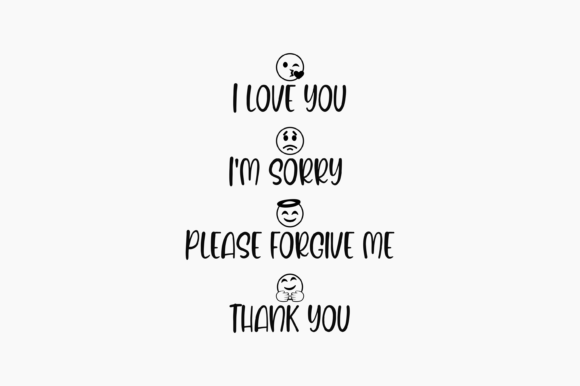
Ho Oponopono
A Design for Thoughtful Embroidery
As a designer who’s stitched countless projects from custom apparel to handmade gifts, I approach each embroidery file with the same level of scrutiny I’d apply to a client’s project. Ho oponopono is no different. At first glance, it carries a quiet elegance that suggests intention and care—qualities I always look for in a design that will hold up under real-world use.
The First Impression
Ho oponopono immediately evokes a sense of calm and mindfulness. The shape is simple yet meaningful, and the layout feels balanced. It doesn’t shout for attention but instead invites contemplation. This makes it an excellent choice for projects where subtlety and symbolism are key. Whether it’s a personalized gift or a boutique product, the design has a visual personality that aligns well with both modern and traditional aesthetics.
Real-Life Use Case: A Custom Tote Bag
Let’s imagine a scenario: I’m preparing a custom tote bag for a local craft fair. The client wants something meaningful and visually appealing. Ho oponopono fits perfectly here. Its clean lines and symbolic nature make it ideal for a larger hoop size, allowing it to stand out without overwhelming the fabric. On a white canvas tote, the design becomes a focal point, while on darker fabrics, it still maintains its presence thanks to thoughtful contrast.
However, I would recommend testing it on scrap fabric first. Especially if you’re using a dark-colored fabric, the design may need more thread color variation to ensure clarity. The stitch density is moderate, which is great for reducing bulk and ensuring the design remains crisp even after multiple washes.
Performance in Real Projects
Ho oponopono performs well in a variety of embroidery applications. It’s versatile enough for custom apparel like sweatshirts and t-shirts, and subtle enough for baby items or holiday gifts. The design also works well as an embroidered patch or apron decoration, adding a touch of meaning without being too busy.
One thing to consider is its suitability for small hoop sizes. While it can work in smaller hoops, the detail level might be lost in tight spaces. For best results, use a hoop that allows the design to breathe and maintain its integrity. Additionally, the design’s corners are well-defined, making it suitable for curved surfaces like caps or hats, though the edges should be checked for any potential puckering.
Design Considerations for Specific Fabrics
When working with textured or stretchy fabrics, it’s important to use the right stabilizer. Ho oponopono’s intricate details require a firm backing to prevent distortion. Dark fabrics can sometimes mute the design, so it’s wise to test it in black and white mockups before finalizing. If the design appears too faint, consider adjusting the thread colors or increasing the stitch density slightly.
For products that undergo frequent washing, like tea towels or kitchen linens, the design holds up well due to its moderate stitch density. However, dense stitch areas should be inspected carefully to avoid thread breakage or uneven coverage. Overall, it’s a reliable choice for both personal and commercial projects.
Visual Appeal and Brand Consistency
Ho oponopono contributes positively to the visual appeal of a finished product. Its minimalist style allows for easy integration into a brand’s aesthetic, whether it’s a boutique line or an Etsy shop. The design’s simplicity ensures it doesn’t overshadow other elements, making it a great addition to layered garments or decorative accents.
From a customer perspective, the design adds value by offering a meaningful symbol that resonates with buyers. It enhances the handmade presentation of a product and supports the idea of intentional crafting. This makes it an excellent choice for personalized gifts and custom apparel, where emotional connection plays a significant role.
Practical Designer Notes
- Test on Scrap Fabric: Always check how the design looks on a piece of your chosen fabric before committing to a full project.
- Thread Color Contrast: Ensure the thread colors provide sufficient contrast against the fabric background.
- Stitch Density: Review the stitch density to avoid over-stitching or under-stitching, especially in detailed areas.
- Hoop Size: Choose a hoop that accommodates the design’s proportions without forcing it into a tight space.
- Stabilizer: Use a proper stabilizer to prevent puckering, especially on stretchy or thin fabrics.
- Mockups: Test the design in black and white mockups to assess clarity and composition.
- Licensing: Confirm the licensing terms before selling finished items or digital products.
Conclusion
Ho oponopono is a thoughtful, versatile design that offers a balance between simplicity and depth. It’s a great fit for a wide range of embroidery projects, from custom apparel to handmade gifts. With the right preparation and attention to detail, it can elevate your craft and create meaningful, high-quality products that resonate with customers.